Take the Self-Assessment Now
Hybrid Teams Scan
Why Should I Complete this Assessment?
The self-assessment is a reflection of your current team environment; it can help you with focusing your efforts on specific areas identified under the Hybrid Leadership framework. With this information, you will be able to set personal learning goals and create a Leadership Action Plan (LAP) that will help you enhance and expand your competencies. You may choose to discuss the results of your self-assessment or your LAP with your line manager, mentor, or coach.
About the Assessment
First the introduction outlines the nine key competencies required to navigate the hybrid team paradox: reimagine workplace, embrace technology, enhance collaboration, establish trust, boost psychological safety, build relationships, reframe performance, uncover motivations, and encourage learning. Next, there are 36 questions followed by instructions on how to summarize your results, how to interpret them, and how to take action based on that interpretation.
The 9 Competencies
Establish Balance
Embrace Technology
Enhance Collaboration
Reimagine Workplace
Foster Belonging
Boost Psychological Safety
Build Relationships
Establish Trust
Elicit Breakthrough
Drive Engagement
Encourage Learning
Reframe Performance
Time Left:
00
:
00 :
00
HRS
MIN
SEC
Time Spent: %%TIMESPENT%%
Time expired. Sorry, you will not be able to continue with this quiz. Please opt-in to see the result.
SEC
HRS
MIN
SEC
SEC
Total Time
[SQBTimeSpent]
0
HRS
0
MIN
0
SEC

1%

5 = Always
A text area will be displayed in the frontend when users select this answer.
Add RecommendationAdd TagsView All Assigned Tags4 = Often
A text area will be displayed in the frontend when users select this answer.
Add RecommendationAdd TagsView All Assigned Tags3 = Sometimes
A text area will be displayed in the frontend when users select this answer.
Add RecommendationAdd TagsView All Assigned Tags2 = Rarely
A text area will be displayed in the frontend when users select this answer.
Add RecommendationAdd TagsView All Assigned Tags1 = Almost Never
A text area will be displayed in the frontend when users select this answer.
Add RecommendationAdd TagsView All Assigned TagsNext
Our team members feel included in team decisions.

Enter any additional information about the quiz
5 = Always
A text area will be displayed in the frontend when users select this answer.
Add RecommendationAdd TagsView All Assigned Tags4 = Often
A text area will be displayed in the frontend when users select this answer.
Add RecommendationAdd TagsView All Assigned Tags3 = Sometimes
A text area will be displayed in the frontend when users select this answer.
Add RecommendationAdd TagsView All Assigned Tags2 = Rarely
A text area will be displayed in the frontend when users select this answer.
Add RecommendationAdd TagsView All Assigned Tags1 = Almost Never
A text area will be displayed in the frontend when users select this answer.
Add RecommendationAdd TagsView All Assigned TagsNext
The team is able to communicate effective via different means.
Enter any additional information about the quiz
5 = Always
A text area will be displayed in the frontend when users select this answer.
Add RecommendationAdd TagsView All Assigned Tags4 = Often
A text area will be displayed in the frontend when users select this answer.
Add RecommendationAdd TagsView All Assigned Tags3 = Sometimes
A text area will be displayed in the frontend when users select this answer.
Add RecommendationAdd TagsView All Assigned Tags2 = Rarely
A text area will be displayed in the frontend when users select this answer.
Add RecommendationAdd TagsView All Assigned Tags1 = Almost Never
A text area will be displayed in the frontend when users select this answer.
Add RecommendationAdd TagsView All Assigned TagsNext
Members of our team trust each other.
Enter any additional information about the quiz
5 = Always
A text area will be displayed in the frontend when users select this answer.
Add RecommendationAdd TagsView All Assigned Tags4 = Often
A text area will be displayed in the frontend when users select this answer.
Add RecommendationAdd TagsView All Assigned Tags3 = Sometimes
A text area will be displayed in the frontend when users select this answer.
Add RecommendationAdd TagsView All Assigned Tags2 = Rarely
A text area will be displayed in the frontend when users select this answer.
Add RecommendationAdd TagsView All Assigned Tags1 = Almost Never
A text area will be displayed in the frontend when users select this answer.
Add RecommendationAdd TagsView All Assigned TagsNext
Do all team members feel comfortable brainstorming in front of each other?
Enter any additional information about the quiz
5 = Always
A text area will be displayed in the frontend when users select this answer.
Add RecommendationAdd TagsView All Assigned Tags4 = Often
A text area will be displayed in the frontend when users select this answer.
Add RecommendationAdd TagsView All Assigned Tags3 = Sometimes
A text area will be displayed in the frontend when users select this answer.
Add RecommendationAdd TagsView All Assigned Tags2 = Rarely
A text area will be displayed in the frontend when users select this answer.
Add RecommendationAdd TagsView All Assigned Tags1 = Almost Never
A text area will be displayed in the frontend when users select this answer.
Add RecommendationAdd TagsView All Assigned TagsNext
Team members help one another deal with problems or resolve issues
Enter any additional information about the quiz
5 = Always
A text area will be displayed in the frontend when users select this answer.
Add RecommendationAdd TagsView All Assigned Tags4 = Often
A text area will be displayed in the frontend when users select this answer.
Add RecommendationAdd TagsView All Assigned Tags3 = Sometimes
A text area will be displayed in the frontend when users select this answer.
Add RecommendationAdd TagsView All Assigned Tags2 = Rarely
A text area will be displayed in the frontend when users select this answer.
Add RecommendationAdd TagsView All Assigned Tags1 = Almost Never
A text area will be displayed in the frontend when users select this answer.
Add RecommendationAdd TagsView All Assigned TagsNext
Team members take personal responsibility for the effectiveness of our team.
Enter any additional information about the quiz
5 = Always
A text area will be displayed in the frontend when users select this answer.
Add RecommendationAdd TagsView All Assigned Tags4 = Often
A text area will be displayed in the frontend when users select this answer.
Add RecommendationAdd TagsView All Assigned Tags3 = Sometimes
A text area will be displayed in the frontend when users select this answer.
Add RecommendationAdd TagsView All Assigned Tags2 = Rarely
A text area will be displayed in the frontend when users select this answer.
Add RecommendationAdd TagsView All Assigned Tags1 = Almost Never
A text area will be displayed in the frontend when users select this answer.
Add RecommendationAdd TagsView All Assigned TagsNext
Our team is driven to do their best each day
Enter any additional information about the quiz
5 = Always
A text area will be displayed in the frontend when users select this answer.
Add RecommendationAdd TagsView All Assigned Tags4 = Often
A text area will be displayed in the frontend when users select this answer.
Add RecommendationAdd TagsView All Assigned Tags3 = Sometimes
A text area will be displayed in the frontend when users select this answer.
Add RecommendationAdd TagsView All Assigned Tags2 = Rarely
A text area will be displayed in the frontend when users select this answer.
Add RecommendationAdd TagsView All Assigned Tags1 = Almost Never
A text area will be displayed in the frontend when users select this answer.
Add RecommendationAdd TagsView All Assigned TagsNext
Our team have the skills we need to do our jobs effectively.
Enter any additional information about the quiz
5 = Always
A text area will be displayed in the frontend when users select this answer.
Add RecommendationAdd TagsView All Assigned Tags4 = Often
A text area will be displayed in the frontend when users select this answer.
Add RecommendationAdd TagsView All Assigned Tags3 = Sometimes
A text area will be displayed in the frontend when users select this answer.
Add RecommendationAdd TagsView All Assigned Tags2 = Rarely
A text area will be displayed in the frontend when users select this answer.
Add RecommendationAdd TagsView All Assigned Tags1 = Almost Never
A text area will be displayed in the frontend when users select this answer.
Add RecommendationAdd TagsView All Assigned TagsNext
Team members feel connected to one another.
Enter any additional information about the quiz
5 = Always
A text area will be displayed in the frontend when users select this answer.
Add RecommendationAdd TagsView All Assigned Tags4 = Often
A text area will be displayed in the frontend when users select this answer.
Add RecommendationAdd TagsView All Assigned Tags3 = Sometimes
A text area will be displayed in the frontend when users select this answer.
Add RecommendationAdd TagsView All Assigned Tags2 = Rarely
A text area will be displayed in the frontend when users select this answer.
Add RecommendationAdd TagsView All Assigned Tags1 = Almost Never
A text area will be displayed in the frontend when users select this answer.
Add RecommendationAdd TagsView All Assigned TagsNext
Our team works with a great deal of flexibility so that we can adapt to changing needs.
Enter any additional information about the quiz
5 = Always
A text area will be displayed in the frontend when users select this answer.
Add RecommendationAdd TagsView All Assigned Tags4 = Often
A text area will be displayed in the frontend when users select this answer.
Add RecommendationAdd TagsView All Assigned Tags3 = Sometimes
A text area will be displayed in the frontend when users select this answer.
Add RecommendationAdd TagsView All Assigned Tags2 = Rarely
A text area will be displayed in the frontend when users select this answer.
Add RecommendationAdd TagsView All Assigned Tags1 = Almost Never
A text area will be displayed in the frontend when users select this answer.
Add RecommendationAdd TagsView All Assigned TagsNext
We are given adequate support for remote tools and technology.
Enter any additional information about the quiz
5 = Always
A text area will be displayed in the frontend when users select this answer.
Add RecommendationAdd TagsView All Assigned Tags4 = Often
A text area will be displayed in the frontend when users select this answer.
Add RecommendationAdd TagsView All Assigned Tags3 = Sometimes
A text area will be displayed in the frontend when users select this answer.
Add RecommendationAdd TagsView All Assigned Tags2 = Rarely
A text area will be displayed in the frontend when users select this answer.
Add RecommendationAdd TagsView All Assigned Tags1 = Almost Never
A text area will be displayed in the frontend when users select this answer.
Add RecommendationAdd TagsView All Assigned TagsNext
Information and knowledge are shared openly on this team.
Enter any additional information about the quiz
5 = Always
A text area will be displayed in the frontend when users select this answer.
Add RecommendationAdd TagsView All Assigned Tags4 = Often
A text area will be displayed in the frontend when users select this answer.
Add RecommendationAdd TagsView All Assigned Tags3 = Sometimes
A text area will be displayed in the frontend when users select this answer.
Add RecommendationAdd TagsView All Assigned Tags2 = Rarely
A text area will be displayed in the frontend when users select this answer.
Add RecommendationAdd TagsView All Assigned Tags1 = Almost Never
A text area will be displayed in the frontend when users select this answer.
Add RecommendationAdd TagsView All Assigned TagsNext
Do all team members feel they can fail openly, or will they feel shunned?
Enter any additional information about the quiz
5 = Always
A text area will be displayed in the frontend when users select this answer.
Add RecommendationAdd TagsView All Assigned Tags4 = Often
A text area will be displayed in the frontend when users select this answer.
Add RecommendationAdd TagsView All Assigned Tags3 = Sometimes
A text area will be displayed in the frontend when users select this answer.
Add RecommendationAdd TagsView All Assigned Tags2 = Rarely
A text area will be displayed in the frontend when users select this answer.
Add RecommendationAdd TagsView All Assigned Tags1 = Almost Never
A text area will be displayed in the frontend when users select this answer.
Add RecommendationAdd TagsView All Assigned TagsNext
We are able to work through differences of opinion without damaging relationships.
Enter any additional information about the quiz
5 = Always
A text area will be displayed in the frontend when users select this answer.
Add RecommendationAdd TagsView All Assigned Tags4 = Often
A text area will be displayed in the frontend when users select this answer.
Add RecommendationAdd TagsView All Assigned Tags3 = Sometimes
A text area will be displayed in the frontend when users select this answer.
Add RecommendationAdd TagsView All Assigned Tags2 = Rarely
A text area will be displayed in the frontend when users select this answer.
Add RecommendationAdd TagsView All Assigned Tags1 = Almost Never
A text area will be displayed in the frontend when users select this answer.
Add RecommendationAdd TagsView All Assigned TagsNext
Our current team processes supports our general well being.
Enter any additional information about the quiz
5 = Always
A text area will be displayed in the frontend when users select this answer.
Add RecommendationAdd TagsView All Assigned Tags4 = Often
A text area will be displayed in the frontend when users select this answer.
Add RecommendationAdd TagsView All Assigned Tags3 = Sometimes
A text area will be displayed in the frontend when users select this answer.
Add RecommendationAdd TagsView All Assigned Tags2 = Rarely
A text area will be displayed in the frontend when users select this answer.
Add RecommendationAdd TagsView All Assigned Tags1 = Almost Never
A text area will be displayed in the frontend when users select this answer.
Add RecommendationAdd TagsView All Assigned TagsNext
Team members frequently go beyond what is required and do not hesitate to take initiative.
Enter any additional information about the quiz
5 = Always
A text area will be displayed in the frontend when users select this answer.
Add RecommendationAdd TagsView All Assigned Tags4 = Often
A text area will be displayed in the frontend when users select this answer.
Add RecommendationAdd TagsView All Assigned Tags3 = Sometimes
A text area will be displayed in the frontend when users select this answer.
Add RecommendationAdd TagsView All Assigned Tags2 = Rarely
A text area will be displayed in the frontend when users select this answer.
Add RecommendationAdd TagsView All Assigned Tags1 = Almost Never
A text area will be displayed in the frontend when users select this answer.
Add RecommendationAdd TagsView All Assigned TagsNext
We always ask ourselves, "How can we do better tomorrow what we did today?"
Enter any additional information about the quiz
5 = Always
A text area will be displayed in the frontend when users select this answer.
Add RecommendationAdd TagsView All Assigned Tags4 = Often
A text area will be displayed in the frontend when users select this answer.
Add RecommendationAdd TagsView All Assigned Tags3 = Sometimes
A text area will be displayed in the frontend when users select this answer.
Add RecommendationAdd TagsView All Assigned Tags2 = Rarely
A text area will be displayed in the frontend when users select this answer.
Add RecommendationAdd TagsView All Assigned Tags1 = Almost Never
A text area will be displayed in the frontend when users select this answer.
Add RecommendationAdd TagsView All Assigned TagsNext
Team members are able to communicate and collaborate effectively with each other.
Enter any additional information about the quiz
5 = Always
A text area will be displayed in the frontend when users select this answer.
Add RecommendationAdd TagsView All Assigned Tags4 = Often
A text area will be displayed in the frontend when users select this answer.
Add RecommendationAdd TagsView All Assigned Tags3 = Sometimes
A text area will be displayed in the frontend when users select this answer.
Add RecommendationAdd TagsView All Assigned Tags2 = Rarely
A text area will be displayed in the frontend when users select this answer.
Add RecommendationAdd TagsView All Assigned Tags1 = Almost Never
A text area will be displayed in the frontend when users select this answer.
Add RecommendationAdd TagsView All Assigned TagsNext
Team members are able to cope with the introduction of new systems and technologies.
Enter any additional information about the quiz
5 = Always
A text area will be displayed in the frontend when users select this answer.
Add RecommendationAdd TagsView All Assigned Tags4 = Often
A text area will be displayed in the frontend when users select this answer.
Add RecommendationAdd TagsView All Assigned Tags3 = Sometimes
A text area will be displayed in the frontend when users select this answer.
Add RecommendationAdd TagsView All Assigned Tags2 = Rarely
A text area will be displayed in the frontend when users select this answer.
Add RecommendationAdd TagsView All Assigned Tags1 = Almost Never
A text area will be displayed in the frontend when users select this answer.
Add RecommendationAdd TagsView All Assigned TagsNext
Team members consider how their actions will impact others when deciding what to do.
Enter any additional information about the quiz
5 = Always
A text area will be displayed in the frontend when users select this answer.
Add RecommendationAdd TagsView All Assigned Tags4 = Often
A text area will be displayed in the frontend when users select this answer.
Add RecommendationAdd TagsView All Assigned Tags3 = Sometimes
A text area will be displayed in the frontend when users select this answer.
Add RecommendationAdd TagsView All Assigned Tags2 = Rarely
A text area will be displayed in the frontend when users select this answer.
Add RecommendationAdd TagsView All Assigned Tags1 = Almost Never
A text area will be displayed in the frontend when users select this answer.
Add RecommendationAdd TagsView All Assigned TagsNext
Are your team members able to bring up problems and tough issues?
Enter any additional information about the quiz
5 = Always
A text area will be displayed in the frontend when users select this answer.
Add RecommendationAdd TagsView All Assigned Tags4 = Often
A text area will be displayed in the frontend when users select this answer.
Add RecommendationAdd TagsView All Assigned Tags3 = Sometimes
A text area will be displayed in the frontend when users select this answer.
Add RecommendationAdd TagsView All Assigned Tags2 = Rarely
A text area will be displayed in the frontend when users select this answer.
Add RecommendationAdd TagsView All Assigned Tags1 = Almost Never
A text area will be displayed in the frontend when users select this answer.
Add RecommendationAdd TagsView All Assigned TagsNext
Team members display high levels of cooperation and mutual support.
Enter any additional information about the quiz
5 = Always
A text area will be displayed in the frontend when users select this answer.
Add RecommendationAdd TagsView All Assigned Tags4 = Often
A text area will be displayed in the frontend when users select this answer.
Add RecommendationAdd TagsView All Assigned Tags3 = Sometimes
A text area will be displayed in the frontend when users select this answer.
Add RecommendationAdd TagsView All Assigned Tags2 = Rarely
A text area will be displayed in the frontend when users select this answer.
Add RecommendationAdd TagsView All Assigned Tags1 = Almost Never
A text area will be displayed in the frontend when users select this answer.
Add RecommendationAdd TagsView All Assigned TagsNext
We consistently produce strong, measurable results.
Enter any additional information about the quiz
5 = Always
A text area will be displayed in the frontend when users select this answer.
Add RecommendationAdd TagsView All Assigned Tags4 = Often
A text area will be displayed in the frontend when users select this answer.
Add RecommendationAdd TagsView All Assigned Tags3 = Sometimes
A text area will be displayed in the frontend when users select this answer.
Add RecommendationAdd TagsView All Assigned Tags2 = Rarely
A text area will be displayed in the frontend when users select this answer.
Add RecommendationAdd TagsView All Assigned Tags1 = Almost Never
A text area will be displayed in the frontend when users select this answer.
Add RecommendationAdd TagsView All Assigned TagsNext
Our team is excited about the contribution it is making to the organization's goals.
Enter any additional information about the quiz
5 = Always
A text area will be displayed in the frontend when users select this answer.
Add RecommendationAdd TagsView All Assigned Tags4 = Often
A text area will be displayed in the frontend when users select this answer.
Add RecommendationAdd TagsView All Assigned Tags3 = Sometimes
A text area will be displayed in the frontend when users select this answer.
Add RecommendationAdd TagsView All Assigned Tags2 = Rarely
A text area will be displayed in the frontend when users select this answer.
Add RecommendationAdd TagsView All Assigned Tags1 = Almost Never
A text area will be displayed in the frontend when users select this answer.
Add RecommendationAdd TagsView All Assigned TagsNext
We view everything, even mistakes, as opportunities for learning and growth.
Enter any additional information about the quiz
5 = Always
A text area will be displayed in the frontend when users select this answer.
Add RecommendationAdd TagsView All Assigned Tags4 = Often
A text area will be displayed in the frontend when users select this answer.
Add RecommendationAdd TagsView All Assigned Tags3 = Sometimes
A text area will be displayed in the frontend when users select this answer.
Add RecommendationAdd TagsView All Assigned Tags2 = Rarely
A text area will be displayed in the frontend when users select this answer.
Add RecommendationAdd TagsView All Assigned Tags1 = Almost Never
A text area will be displayed in the frontend when users select this answer.
Add RecommendationAdd TagsView All Assigned TagsNext
We are able to find information that we require via different means.
Enter any additional information about the quiz
5 = Always
A text area will be displayed in the frontend when users select this answer.
Add RecommendationAdd TagsView All Assigned Tags4 = Often
A text area will be displayed in the frontend when users select this answer.
Add RecommendationAdd TagsView All Assigned Tags3 = Sometimes
A text area will be displayed in the frontend when users select this answer.
Add RecommendationAdd TagsView All Assigned Tags2 = Rarely
A text area will be displayed in the frontend when users select this answer.
Add RecommendationAdd TagsView All Assigned Tags1 = Almost Never
A text area will be displayed in the frontend when users select this answer.
Add RecommendationAdd TagsView All Assigned TagsNext
Team members are able to deliver great work regardless of time or location differences.
Enter any additional information about the quiz
5 = Always
A text area will be displayed in the frontend when users select this answer.
Add RecommendationAdd TagsView All Assigned Tags4 = Often
A text area will be displayed in the frontend when users select this answer.
Add RecommendationAdd TagsView All Assigned Tags3 = Sometimes
A text area will be displayed in the frontend when users select this answer.
Add RecommendationAdd TagsView All Assigned Tags2 = Rarely
A text area will be displayed in the frontend when users select this answer.
Add RecommendationAdd TagsView All Assigned Tags1 = Almost Never
A text area will be displayed in the frontend when users select this answer.
Add RecommendationAdd TagsView All Assigned TagsNext
The digital tools we are currently using adds value to our team.
Enter any additional information about the quiz
5 = Always
A text area will be displayed in the frontend when users select this answer.
Add RecommendationAdd TagsView All Assigned Tags4 = Often
A text area will be displayed in the frontend when users select this answer.
Add RecommendationAdd TagsView All Assigned Tags3 = Sometimes
A text area will be displayed in the frontend when users select this answer.
Add RecommendationAdd TagsView All Assigned Tags2 = Rarely
A text area will be displayed in the frontend when users select this answer.
Add RecommendationAdd TagsView All Assigned Tags1 = Almost Never
A text area will be displayed in the frontend when users select this answer.
Add RecommendationAdd TagsView All Assigned TagsNext
People on this team follow through on their commitments.
Enter any additional information about the quiz
5 = Always
A text area will be displayed in the frontend when users select this answer.
Add RecommendationAdd TagsView All Assigned Tags4 = Often
A text area will be displayed in the frontend when users select this answer.
Add RecommendationAdd TagsView All Assigned Tags3 = Sometimes
A text area will be displayed in the frontend when users select this answer.
Add RecommendationAdd TagsView All Assigned Tags2 = Rarely
A text area will be displayed in the frontend when users select this answer.
Add RecommendationAdd TagsView All Assigned Tags1 = Almost Never
A text area will be displayed in the frontend when users select this answer.
Add RecommendationAdd TagsView All Assigned TagsNext
People on this team never reject others for being different.
Enter any additional information about the quiz
5 = Always
A text area will be displayed in the frontend when users select this answer.
Add RecommendationAdd TagsView All Assigned Tags4 = Often
A text area will be displayed in the frontend when users select this answer.
Add RecommendationAdd TagsView All Assigned Tags3 = Sometimes
A text area will be displayed in the frontend when users select this answer.
Add RecommendationAdd TagsView All Assigned Tags2 = Rarely
A text area will be displayed in the frontend when users select this answer.
Add RecommendationAdd TagsView All Assigned Tags1 = Almost Never
A text area will be displayed in the frontend when users select this answer.
Add RecommendationAdd TagsView All Assigned TagsNext
Team members appreciate one another's unique capabilities.
Enter any additional information about the quiz
5 = Always
A text area will be displayed in the frontend when users select this answer.
Add RecommendationAdd TagsView All Assigned Tags4 = Often
A text area will be displayed in the frontend when users select this answer.
Add RecommendationAdd TagsView All Assigned Tags3 = Sometimes
A text area will be displayed in the frontend when users select this answer.
Add RecommendationAdd TagsView All Assigned Tags2 = Rarely
A text area will be displayed in the frontend when users select this answer.
Add RecommendationAdd TagsView All Assigned Tags1 = Almost Never
A text area will be displayed in the frontend when users select this answer.
Add RecommendationAdd TagsView All Assigned TagsNext
The mission and goals of my team are well aligned with the organization's mission and goals
Enter any additional information about the quiz
5 = Always
A text area will be displayed in the frontend when users select this answer.
Add RecommendationAdd TagsView All Assigned Tags4 = Often
A text area will be displayed in the frontend when users select this answer.
Add RecommendationAdd TagsView All Assigned Tags3 = Sometimes
A text area will be displayed in the frontend when users select this answer.
Add RecommendationAdd TagsView All Assigned Tags2 = Rarely
A text area will be displayed in the frontend when users select this answer.
Add RecommendationAdd TagsView All Assigned Tags1 = Almost Never
A text area will be displayed in the frontend when users select this answer.
Add RecommendationAdd TagsView All Assigned TagsNext
Work is matched to team members based on their skills/ability and interest.
Enter any additional information about the quiz
5 = Always
A text area will be displayed in the frontend when users select this answer.
Add RecommendationAdd TagsView All Assigned Tags4 = Often
A text area will be displayed in the frontend when users select this answer.
Add RecommendationAdd TagsView All Assigned Tags3 = Sometimes
A text area will be displayed in the frontend when users select this answer.
Add RecommendationAdd TagsView All Assigned Tags2 = Rarely
A text area will be displayed in the frontend when users select this answer.
Add RecommendationAdd TagsView All Assigned Tags1 = Almost Never
A text area will be displayed in the frontend when users select this answer.
Add RecommendationAdd TagsView All Assigned TagsNext
We use various forms of training to keep our skills up-to-date.
Enter any additional information about the quiz
5 = Always
A text area will be displayed in the frontend when users select this answer.
Add RecommendationAdd TagsView All Assigned Tags4 = Often
A text area will be displayed in the frontend when users select this answer.
Add RecommendationAdd TagsView All Assigned Tags3 = Sometimes
A text area will be displayed in the frontend when users select this answer.
Add RecommendationAdd TagsView All Assigned Tags2 = Rarely
A text area will be displayed in the frontend when users select this answer.
Add RecommendationAdd TagsView All Assigned Tags1 = Almost Never
A text area will be displayed in the frontend when users select this answer.
Add RecommendationAdd TagsView All Assigned TagsNext
%%QUESTIONANSWERS%%
Skip Opt-in
;?>/smartquizbuilder/includes/images/sqb-registration-img.jpg)
Almost there...
Where can we email you the results? Please enter details below.
Preparing Report...
Please wait... we are calculating your results
* Do not leave the page or reload the page *
You got a score of %%YOURSCORE%% out of %%TOTALSCORE%%

[CATEGORY_SPIDER_CHART]
[CategoryRank columns="3" order="hightolow" high="green" medium="yellow" low="red" high_range="80-100" medium_range="50-80" low_range="0-50" limitto="9"]
There are nine key competencies required to navigate the hybrid team paradox: reimagine workplace, embrace technology, enhance collaboration, establish trust, boost psychological safety, build relationships, reframe performance, uncover motivations, and encourage learning.
Higher scores indicate that your team have strength in this competency area, and demonstrate the described behaviors regularly.
Lower scores indicate opportunities for development. Keep in mind that lower scores might simply indicate that your team might not have had opportunities to demonstrate these competencies.
Taking the time to identify your team’s strengths and areas of improvements allows you to focus your development efforts accordingly. For more tips and advice, refer to Hybrid work paradox (full title, book hyperlink) and explore our free resources on Hybridteams.co
Download
%%CATEGORY_TOTAL_PERCENT%%
%%CATEGORY_TOTAL_NUMBER%%
[CATEGORY_TOTAL_PERCENT]
[CATEGORY_ONLY_PERCENT]
[CATEGORY_TOTAL_NUMBER]
You got a score of %%YOURSCORE%% out of %%TOTALSCORE%%
[CATEGORY_SPIDER_CHART]
[CategoryRank columns="3" order="hightolow" high="green" medium="yellow" low="red" high_range="80-100" medium_range="50-80" low_range="0-50" limitto="9"]
There are nine key competencies required to navigate the hybrid team paradox: reimagine workplace, embrace technology, enhance collaboration, establish trust, boost psychological safety, build relationships, reframe performance, uncover motivations, and encourage learning.
Higher scores indicate that your team have strength in this competency area, and demonstrate the described behaviors regularly.
Lower scores indicate opportunities for development. Keep in mind that lower scores might simply indicate that your team might not have had opportunities to demonstrate these competencies.
Taking the time to identify your team’s strengths and areas of improvements allows you to focus your development efforts accordingly. For more tips and advice, refer to Hybrid work paradox (full title, book hyperlink) and explore our free resources on Hybridteams.co

Product Title
Buy Now
Product Title
Buy Now
Product Title
Buy Now
Product Title
Buy Now
Product Title
Buy Now
Product Title
Buy Now
Product Title
Buy Now
Continue
%%CATEGORY_TOTAL_PERCENT%%
%%CATEGORY_TOTAL_NUMBER%%
[CATEGORY_TOTAL_PERCENT]
[CATEGORY_ONLY_PERCENT]
[CATEGORY_TOTAL_NUMBER]
Retake
YOUR TOTAL POINTS
0
Things to Keep in Mind when Completing the Hybrid Team Scan:
- Be realistic and objective about your response; your results will be meaningful only if you are honest.
- Trust your instincts; your first response is likely the most accurate.
- You can complete this assessment again on a six-month or an annual basis to keep track of your team’s progress.
- Remember: You will be evaluating yourself, and whether you share this information is your choice.
Navigating the Hybrid Work Revolution
The Hybrid Teams Scan is a practical and simple tool that helps you focus your attention on the key areas for leading successful hybrid teams. The self-assessment is a reflection of your current team environment; it can help you to focus your efforts on specific areas to improve when working with teams in a hybrid work environment.
The questions only take a couple of minutes for you to complete. You will receive your Hybrid Teams Scan results instantly. It’s free and completely confidential.
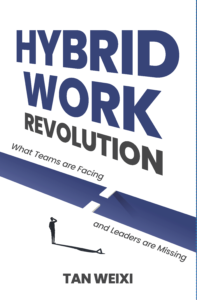

Rise of Hybrid Work
Answer 36 questions to find out or assess your organization’s ability to support a combination of remote and on-site teams. This pinpoints your team’s potential areas of improvement, and helps you to refine your existing work norms, as organizations should define a set of work norms consistent with its own needs. Not every organization requires complete, best-in-class capability, isn’t it?
- It takes 5 minutes
- The team assessment is completely free!
- Receive personalised results instantly!